
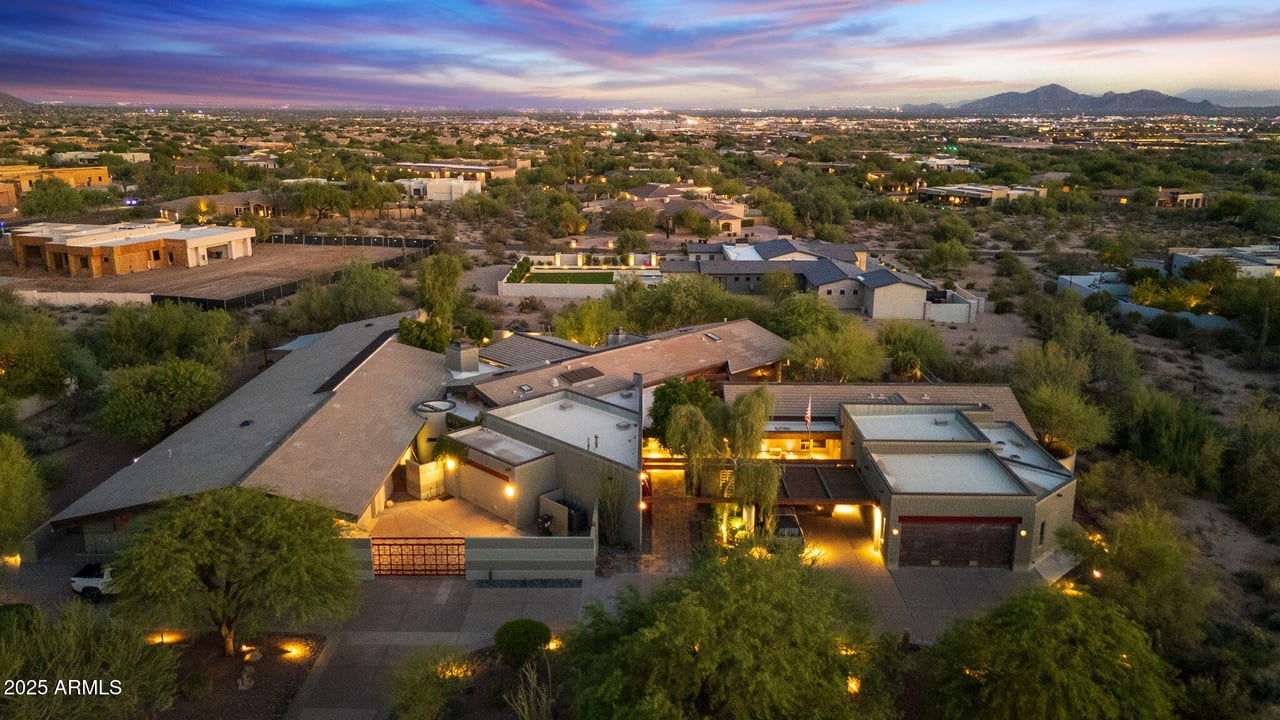
The 10 Hottest Cities in the U.S.
For many people, sunshine is a major selling point when choosing a place to live. Warm weather means more time outdoors, milder winters, and an active lifestyle. But as global temperatures continue to rise, there's an important distinction between pleasantly warm and extremely hot.
The past 11 years have been the hottest ever recorded, with nearly every year setting or approaching a new global temperature record. Heat waves are becoming longer, more intense, and more widespread, reshaping daily life in cities across the country.
If you're thinking about moving, climate should be part of your decision-making process alongside affordability, job opportunities, and lifestyle. Whether you're chasing year-round sunshine or hoping to avoid relentless summer heat, knowing which cities experience the highest temperatures can help you find the right fit.
Here's a closer look at America's hottest cities, why they consistently rank among the warmest places in the country, and what to know before calling one of them home.
The Hottest Cities in the U.S.
Phoenix, Arizona, claims the title of the hottest major city in America, followed closely by Yuma, Arizona, and Las Vegas, Nevada. Rounding out the list are several cities in South Texas' Rio Grande Valley, where desert heat combines with Gulf Coast humidity to create sweltering summer conditions.
All ten cities are located within the Sun Belt, a region known for its abundant sunshine, hot summers, and generally mild winters.
City | Average Summer Temperature | Average Annual Temperature | Record High |
|---|---|---|---|
Phoenix, AZ | 93.7°F | 75.4°F | 122°F (1990) |
Yuma, AZ | 92.8°F | 75.9°F | 124°F (1995) |
Las Vegas, NV | 90.8°F | 70.1°F | 120°F (2024) |
McAllen, TX | 88.5°F | 77.4°F | 111°F (2023) |
Laredo, TX | 88.0°F | 74.6°F | 115°F |
Brownsville, TX | 86.4°F | 76.2°F | 106°F |
Tucson, AZ | 86.4°F | 69.7°F | 117°F (1990) |
San Antonio, TX | 85.4°F | 71.1°F | 111°F (2000) |
Austin, TX | 85.1°F | 70.0°F | 112°F |
Dallas, TX | 84.5°F | 68.0°F | 113°F (1980) |
Interesting fact: If cities were ranked by average annual temperature instead of summer heat, Honolulu, Hawaii, would take the top spot at approximately 78°F, followed by McAllen, Texas, and Miami, Florida.
Why Are These Cities So Hot?
Location plays the biggest role.
Nearly all of America's hottest cities sit within the Sun Belt, stretching across the southern United States. These areas receive abundant sunshine throughout the year and are positioned near deserts, warm ocean waters, or both.
The Desert Effect
Cities like Phoenix, Yuma, Las Vegas, and Tucson lie within or adjacent to the Sonoran and Mojave Deserts. Dry air, cloudless skies, and intense solar radiation allow temperatures to climb rapidly during the day, often remaining warm well into the evening.
The Rio Grande Valley's Heat and Humidity
South Texas cities—including McAllen, Laredo, and Brownsville—experience a different type of heat. Here, hot desert air collides with moisture from the Gulf of Mexico, producing oppressive humidity that makes temperatures feel even hotter than the thermometer indicates.
A New Era of Record-Breaking Heat
Many of these cities have experienced their hottest years on record in the past few years.
- Phoenix recorded its warmest years ever in 2024 and 2025.
- Las Vegas reached an all-time high of 120°F in 2024.
- Brownsville and Laredo both experienced record temperatures during 2023.
Texas has also warmed at an exceptional pace, with triple-digit temperatures becoming increasingly common across much of the state. Some regions now experience 1,000 more days of record-breaking heat per decade compared to historical averages.
Why People Still Move to Hot Cities
Despite increasingly hot summers, these cities continue attracting new residents every year.
Strong job markets, relatively affordable housing, lower taxes in some states, and abundant sunshine continue to make cities like Phoenix and Las Vegas highly desirable. Phoenix has remained one of America's fastest-growing metropolitan areas for more than a decade, while Las Vegas has nearly doubled its population since 2000.
For many homeowners, adapting to extreme heat has simply become part of everyday life.
What Is the Hottest Place in the U.S.?
While Phoenix holds the title among major cities, Death Valley National Park remains the hottest place in the United States.
The park averages a staggering 101.3°F during summer, with daytime highs averaging nearly 115°F.
Death Valley is also home to one of the most extraordinary weather records on Earth:
- 134°F recorded in 1913, widely recognized as the highest air temperature ever measured.
- 130°F recorded in 2020 and 2021, among the hottest temperatures ever observed in modern history.
Why Heat Risk Should Be Part of Your Home Search
Climate isn't just about comfort—it affects your home, your finances, and your health.
Living in an extremely hot climate often means higher energy bills, increased strain on HVAC systems, greater wildfire concerns in some regions, and more planning around outdoor activities.
When evaluating homes in warm climates, consider features such as:
- Energy-efficient windows
- Modern, well-maintained air conditioning
- High-quality insulation
- Shade trees or covered outdoor spaces
- Reflective roofing materials
- Smart home climate controls
Many real estate platforms now include climate data that allows buyers to review heat, flood, wildfire, wind, and air quality risks before making an offer.
How to Prepare for Extreme Heat
Whether you're moving to one of America's hottest cities or simply experiencing more frequent heat waves, preparation can make a significant difference.
Keep Your Home Comfortable
Maintain your air conditioning system, replace filters regularly, and use ceiling fans, blackout curtains, or thermal shades to reduce indoor temperatures.
Boost Energy Efficiency
Improve insulation, seal air leaks, install energy-efficient windows, and add exterior shade wherever possible to lower cooling costs.
Plan for Power Outages
Extreme heat can place heavy demand on electrical grids. Keep bottled water, portable fans, flashlights, batteries, and backup charging devices readily available.
Limit Outdoor Activity During Peak Heat
Whenever possible, avoid strenuous outdoor activities between 10 a.m. and 4 p.m., when temperatures are typically at their highest.
Recognize Heat-Related Illness
Symptoms like dizziness, nausea, confusion, heavy sweating, or a rapid heartbeat can indicate heat exhaustion or heat stroke. Seek immediate medical attention if symptoms become severe.
How Temperatures Are Changing
Scientists continue to observe a steady rise in global temperatures. In both 2024 and 2025, the planet exceeded the 1.5°C (2.7°F) warming threshold compared to pre-industrial levels—a benchmark many researchers associate with increasingly severe climate impacts.
Warmer temperatures contribute to:
- Longer and more intense heat waves
- More frequent droughts
- Stronger hurricanes
- Increased wildfire risk
- Greater stress on power and water infrastructure
Regions with both high temperatures and high humidity—particularly the Southeastern and Southwestern United States—face some of the greatest heat risks because elevated humidity limits the body's ability to cool itself through perspiration.
As climate patterns continue to evolve, understanding local weather trends is becoming an essential part of choosing where to live. Considering heat risk alongside housing costs, employment opportunities, and lifestyle preferences can help you make a more informed long-term decision.