
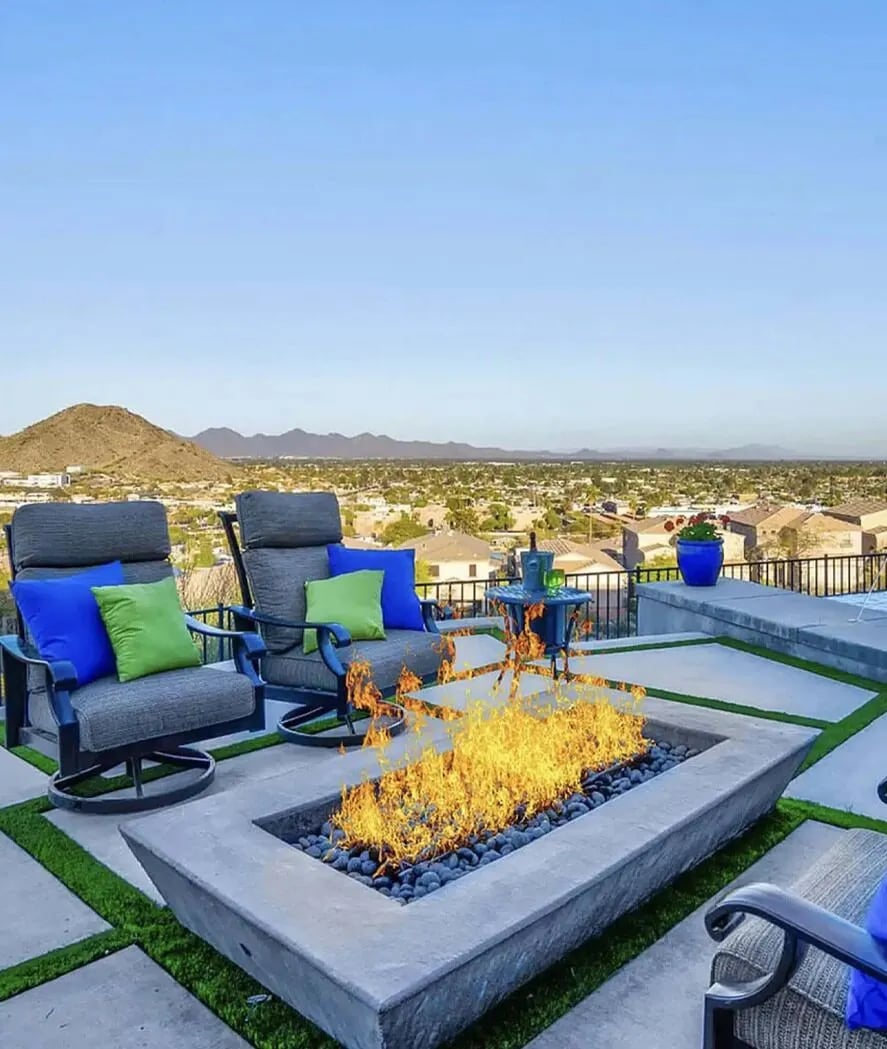
Adding a DIY fire pit to your backyard is a simple way to make your outdoor space more inviting. Whether you’re gathering with friends, roasting marshmallows with the family, or simply enjoying a quiet evening outside, a fire pit can keep the backyard comfortable and entertaining well after the sun goes down.
But before you start building, it’s important to choose a design that fits your space and understand which materials are safe to use. From selecting the right stones to creating proper drainage, a little preparation can make your project safer and more successful.
If you’re wondering how to build a fire pit, these six DIY ideas can help you get started. We’ll cover different fire pit styles, the materials you may need, and helpful considerations for creating a cozy outdoor gathering spot.
1. Rustic Stacked-Stone Fire Pit
For a natural, rustic look, consider building your fire pit with large, irregularly shaped stones instead of uniform fire bricks. The varied shapes and textures can give your backyard a relaxed, organic feel.
If the stones are sturdy and stable, you may be able to stack them without mortar or cement. Start with the largest, heaviest rocks to create a solid foundation, then build upward in roughly three layers.
Keep these tips in mind as you construct your pit:
- If the stones shift or feel unstable, use a suitable masonry or landscape adhesive where appropriate.
- Add about 1–2 inches of paver sand to the bottom of the pit.
- Create a clear buffer around the fire pit and keep grass, leaves, mulch, and other combustible yard materials well away from the flames.
- Avoid using stones that can crack or explode when exposed to high heat. Some porous or moisture-filled rocks can be dangerous when heated.
Once finished, surround the pit with comfortable outdoor seating to create an inviting spot for cool evenings and backyard gatherings.
2. Sunken or In-Ground Fire Pit
A sunken fire pit offers a classic look and can blend naturally into your landscape. Because this design requires digging, however, it takes a little more planning than an above-ground option.
Before you break ground, contact your local utility-marking service to have underground utility lines, pipes, and cables identified. This important step can help prevent accidental damage and keep your project safe.
Once you’ve confirmed that it’s safe to dig, determine the size and depth of your pit. A typical in-ground fire pit may be around 1–3 feet deep, depending on the design and local requirements. Then line the interior with appropriate fire-rated materials.
Here’s a general approach:
- Prepare the base. Add a layer of gravel or lava rock to help with drainage and create a stable foundation.
- Plan for water drainage. Rain can collect in a sunken fire pit, so consider incorporating a drainage solution if your site needs one.
- Install the first layer. Place your fire-rated stones or blocks around the edge and make sure they are level.
- Build the walls. Continue adding layers, using an appropriate high-temperature-rated masonry product when the design calls for it.
- Backfill the surrounding area. Fill and compact the soil around the outside of the pit to help stabilize the structure.
- Allow materials to cure. If you use adhesive or mortar, follow the manufacturer’s recommended curing time before lighting a fire.
Always check your local fire regulations and building requirements before constructing an in-ground fire pit.
3. Repurposed Metal Fire Pit
If you prefer a simple project with a little more personality, repurpose a suitable metal container into a backyard fire pit. A sturdy steel drum or similar heat-resistant vessel can provide a contained space for your fire while giving your outdoor area an industrial or rustic touch.
Before using any repurposed container, make sure it is made from appropriate, heat-resistant metal and has not previously contained hazardous chemicals or other flammable substances.
You can customize the exterior with high-temperature-rated paint and simple stencils to give it a personalized finish. Keep in mind that paint should only be used on surfaces and in areas specifically rated for high heat.
A metal fire pit can be especially useful in open outdoor areas, but it should still be positioned well away from structures, trees, fences, and other flammable materials.
4. Simple Above-Ground Fire Pit
An above-ground fire pit is a great choice if you want to skip the digging. It can also be easier to construct and customize to the size of your backyard.
Begin by choosing a level location and creating a noncombustible foundation with suitable gravel or another appropriate material. Then arrange fire-rated blocks or stones in a circle to form the walls.
For a cleaner, more polished appearance, choose uniformly shaped blocks that fit together neatly. Depending on your available space, you can create anything from a compact fire pit to a larger centerpiece for your outdoor living area.
Popular materials include fire-rated brick, concrete blocks designed for fire pit use, and natural stone approved for high-temperature applications.
Once your fire pit is complete, add comfortable seating, outdoor lighting, and a few decorative touches to turn the surrounding area into a welcoming backyard retreat.
5. Raised Fire Pit with a Fire Bowl
Want your fire feature to stand out? A raised fire pit with a separate fire bowl can give your backyard a more finished and contemporary appearance.
For this design, construct a surrounding base or wall at your desired height and place a properly sized fire bowl inside or on top of it. Use uniform, fire-rated blocks or materials designed for this type of construction rather than irregular landscaping rocks.
Before building, measure your fire bowl carefully. The opening should provide enough clearance around the bowl without allowing it to sit awkwardly or become unstable.
When choosing a fire bowl, look for features that make outdoor maintenance easier, such as:
- Drainage holes to prevent rainwater from collecting inside
- A stable base that keeps the bowl securely in place
- A weather-resistant cover to protect it when not in use
- Heat-resistant materials designed specifically for fire features
Adding lava rock or another manufacturer-approved fire media can also improve the appearance of the finished feature.
The result is a fire pit that feels more like a deliberate piece of backyard design than a basic DIY project.
6. Drum-Style DIY Fire Pit
For a casual, industrial-inspired look, consider incorporating a metal drum or fire basket into your fire pit design. These containers help keep the fire contained while allowing air to circulate.
You can purchase a purpose-built fire basket or create a metal enclosure using suitable hardware and materials. Some DIY enthusiasts also repurpose old washing machine drums because their perforated sides allow plenty of airflow.
If you use a recycled appliance drum, make sure it is clean, free of hazardous coatings or residues, and made from metal suitable for high-temperature use.
For a built-in design, place the drum inside a surrounding stone or block enclosure. Just remember to account for drainage so rainwater doesn’t collect around or inside the fire pit.
This style works particularly well for homeowners who want something functional, affordable, and a little less formal.
Build Your Backyard Fire Pit With Safety in Mind
No matter which design you choose, safety should come before style. Use materials specifically suited for high temperatures, keep the fire pit on a stable, noncombustible surface, and maintain plenty of clearance from your home, fences, trees, landscaping, and other combustible materials.
Never use wet or waterlogged rocks in a fire pit, as trapped moisture can cause certain stones to crack or break when heated. Allow stones to dry thoroughly, and avoid materials that are not designed to withstand high temperatures.
Before starting your project, check local fire codes, burn restrictions, and any homeowners association rules that may apply to your property.
With the right design, materials, and precautions, a DIY fire pit can become one of the most enjoyable features of your backyard—a place to gather, relax, and make memories long after sunset.