
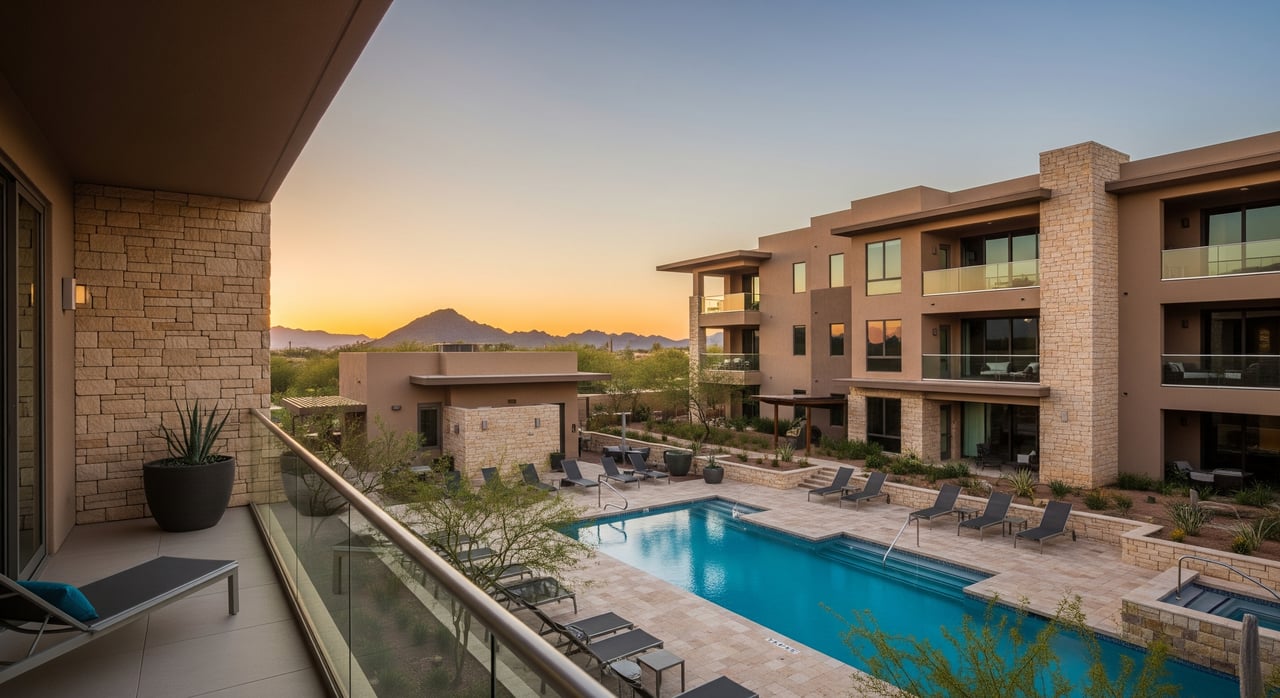
Thinking about a condo at Biltmore Terraces but unsure what the HOA will mean for your budget and lifestyle? You’re not alone. HOA fees and rules shape everything from your monthly costs to whether you can rent out your unit or redo your floors. This guide breaks down how Phoenix condo HOAs work, what fees usually cover, the rules you’re most likely to see, and the exact documents and questions to review before you buy. Let’s dive in.
How Phoenix condo HOAs work
In Phoenix, most condo associations follow a similar structure. You and other unit owners are members who elect a Board of Directors to oversee the community. The board enforces the recorded Covenants, Conditions and Restrictions, sets rules, manages the budget, and hires a manager or management company.
Key governing documents include the Articles of Incorporation, Bylaws, CC&Rs, Rules and Regulations, and any architectural guidelines. Each one plays a specific role, and together they set the framework for how the community operates.
Many buildings in the Biltmore area use professional management. Smaller associations may self-manage. Either way, management costs are part of your monthly dues and can influence fee levels. Boards meet regularly, and the minutes are a helpful window into current projects, disputes, and enforcement priorities.
What HOA fees cover in the Biltmore area
HOA fees vary by building age, size, and amenities. In the Biltmore corridor, you’ll find a range from boutique buildings with modest services to amenity-rich properties that require larger budgets. Focus on what the fee includes, not just the number.
Common line items in Phoenix-area condo budgets include:
- Routine maintenance for common areas like landscaping, pool or spa, fitness rooms, elevators, and exterior surfaces
- Association-level utilities such as water, sewer, gas for common areas, and exterior lighting
- Master insurance for property and general liability
- Management, accounting, legal, and administrative costs
- Trash and recycling services, pest control, and security where applicable
- Reserve contributions for big-ticket items like roofs, exterior painting, paving, and elevator systems
Reserve studies and special assessments
Healthy reserves help an association plan for major repairs without sudden fee spikes. A reserve study estimates the useful life and replacement cost of major components. Well-run associations update these studies periodically. If reserves are underfunded, owners face a higher risk of special assessments or large fee increases when big projects come due.
When comparing buildings, ask about reserve balances, the date of the last reserve study, and any recent or planned special assessments. Also review upcoming capital projects and how the association plans to pay for them.
Insurance basics for condo owners
Master insurance policy types vary. Some policies cover only the building’s structure and common areas. Others may extend coverage to certain fixtures within units. The master policy’s deductible also matters; some associations pass part of that deductible to owners if a building-wide claim occurs.
To protect your interior finishes, personal property, and liability, you’ll likely need an HO-6 policy. Ask how the master and HO-6 policies work together, and whether loss assessment coverage is recommended to cover your share of a master policy deductible.
Common rules to expect near Biltmore Terraces
Rules differ by building, but most Biltmore-area condos follow familiar patterns in these categories. Always confirm the specifics in the current CC&Rs and Rules and Regulations.
Amenities and access
Pools, spas, gyms, and common rooms usually have posted hours, guest policies, and access controls like keys or fobs. Some buildings require reservations for common rooms. Planned amenity upgrades can increase fees, so ask what’s on the horizon.
Pets
Most associations set limits on the number of pets per unit and may include size or breed rules. You’ll also see leash, pickup, and noise provisions. Service and support animal rules must comply with applicable law. If you have pets, confirm the exact policy and any deposits.
Rentals and short-term rentals
Leasing is often regulated. Common approaches include minimum lease terms of 30, 60, or 90 days, caps on the percentage of rented units, and tenant registration. Many associations prohibit short-term rentals, and city registration and operating rules can apply separately. Rental caps and high rental percentages can influence financing options, so review these closely with your lender.
Renovations and architectural approval
Changes that affect common elements or exterior appearance usually require approval. This can include window or door replacement, balcony work, and any plumbing or HVAC changes. Some associations restrict hard-surface flooring in upper units to control noise and may require specific underlayment ratings.
Expect rules on contractor insurance, work hours, permits, and protection of common areas during moves or construction.
Noise, smoking, and nuisance
Quiet hours are common. Many buildings restrict smoking in common areas, and some expand restrictions to unit interiors. Rules typically prohibit nuisance activities and outline enforcement steps.
Parking and storage
Parking may be deeded, assigned, or first-come, with separate rules for guests. Some buildings offer storage lockers or assigned spaces. If parking or storage matters to you, request written confirmation of what your unit includes.
Enforcement and fines
Associations enforce rules with notices, fines, and sometimes suspension of amenity access. Review the violation process, timelines, and fine schedule so you know how issues are handled.
Smart due diligence checklist
Gather these documents early, ideally during your offer period or contingency window:
- CC&Rs
- Bylaws and Articles of Incorporation
- Rules and Regulations and any architectural guidelines
- Current budget and at least 2–3 years of financial statements
- Most recent reserve study and current reserve balance
- Monthly HOA fee schedule with a breakdown of included services
- Certificate of insurance or master policy summary with deductibles
- Board meeting minutes for the last 6–12 months and notices of special meetings
- Management contract and management company contact info
- Estoppel or HOA statement showing dues status and any pending assessments
- Litigation disclosures for current or threatened claims
- Capital project plans and bids for approved or proposed work
- Owner-occupancy versus rental percentages
- Parking and storage assignments and any deeded rights
- Move-in and move-out procedures and fees
- Rental and short-term rental policies and any lease forms the association uses
- Any owner handbooks or FAQs
Key questions to ask the HOA and your agent
- How much is in reserves today, and when was the last reserve study?
- Have there been special assessments in the past 5 years? Are any planned now?
- What percentage of units are owner-occupied versus rented? Are there rental caps?
- Are there any pending or threatened lawsuits or major vendor disputes?
- What does the master insurance policy cover? What is the deductible, and how is it handled if there is a claim?
- Which utilities are included in the HOA fee? Which are billed to owners directly?
- What are the pet rules, including number, size, and any deposits?
- What is the minimum lease term? Are short-term rentals allowed or prohibited?
- Are there known maintenance issues or deferred repairs?
- What capital projects are planned and how will they be funded?
- What are the move-in and move-out rules and fees? Is elevator protection required?
- How are parking spaces and storage handled? What is the tow policy?
- What is the approval process and timeline for renovations? Any flooring or plumbing restrictions?
- How are violations enforced, and what is the fine schedule?
Financing and resale factors tied to HOA health
Many lenders evaluate the building as well as your personal qualifications. They may look at owner-occupancy levels, reserve funding, insurance, and litigation. Buildings with very high rental concentrations, low reserves, or active litigation can face limited financing options under some loan programs.
Rental caps and restrictions affect investors’ strategies and can influence resale by limiting the buyer pool. Align your plans with the building’s leasing rules and confirm how they may impact loan eligibility.
Your personal insurance strategy matters too. Understand what the master policy covers, then tailor your HO-6 policy for unit interiors, personal property, liability, loss of use, and loss assessment coverage for shared deductibles.
Comparing Biltmore-area condos like a pro
- Normalize total costs. Add HOA dues, typical owner-paid utilities, and any reserves or anticipated special assessments to find the true monthly picture.
- Match amenities to your lifestyle. High-service buildings cost more but can deliver added convenience. Smaller associations may offer lower fees and a quieter profile.
- Consider building age and capital timelines. Older buildings might have lower fees today but larger projects coming due. Newer properties often have stronger near-term reserves.
- Read the room. Meeting minutes reveal responsiveness, communication, and enforcement culture. Persistent disputes or frequent lawsuits can be a red flag.
Red flags to watch for
- Low or no reserves with big projects on the horizon
- Frequent or recent special assessments
- Pending or expensive litigation
- High delinquency rates among owners
- Large master policy deductibles or unclear coverage gaps
- Strict rental or pet prohibitions that do not fit your plans
- Missing, outdated, or unavailable financials and minutes
Next steps
If Biltmore Terraces or a nearby building is on your shortlist, request the HOA documents early and share them with your lender and insurance agent. Walk the common areas, talk with a few owners if you can, and confirm any rules tied to your plans, especially pets, rentals, and renovations.
When you are ready to compare options or need help interpreting the fine print, reach out for local guidance. The Taege Team specializes in central Phoenix condos and can help you evaluate fees, rules, and resale factors with confidence. If you want a second set of eyes on HOA documents or a plan to secure the right unit, connect with Jennifer Taege for a thoughtful, client-first strategy.
FAQs
What do HOA fees typically include in Biltmore-area condos?
- Most budgets cover common-area maintenance, some utilities, master insurance, management, and reserve contributions, with specifics varying by building.
How do reserve studies affect future costs at Biltmore Terraces?
- Strong reserves based on up-to-date studies reduce the risk of special assessments and help stabilize fees as major repairs come due.
Are short-term rentals allowed in Phoenix condos like Biltmore Terraces?
- Many associations restrict or prohibit short-term rentals and may also require compliance with city regulations; confirm the current CC&Rs and rules.
What insurance do I need as a Phoenix condo owner?
- You will likely need an HO-6 policy to cover interior finishes, personal property, liability, loss of use, and potential loss assessments, coordinated with the master policy.
How can rental caps affect my financing on a Biltmore-area condo?
- Rental caps and high rental percentages can impact eligibility for some loan programs that require certain owner-occupancy levels.
Which documents should I review before buying at Biltmore Terraces?
- Request CC&Rs, Bylaws, Rules and Regulations, financials, reserve study, insurance summary, recent minutes, litigation disclosures, and any capital project plans.