

Absolutely — here’s a more polished, engaging, and reader-friendly version with fresher wording, smoother transitions, and less repetitive language while keeping the key information and links intact.
Buying or selling a home comes with plenty of steps, and the home appraisal process is one that often leaves buyers and sellers with questions. What does an appraiser actually evaluate? How long does an appraisal take? And what happens once the appraisal report is complete?
Whether you're purchasing a property in Dumfries, VA, Tampa, FL, or another market, understanding how appraisals work can make the process feel far less intimidating. An appraisal provides an independent estimate of a property's current market value and can be an important part of securing mortgage financing.
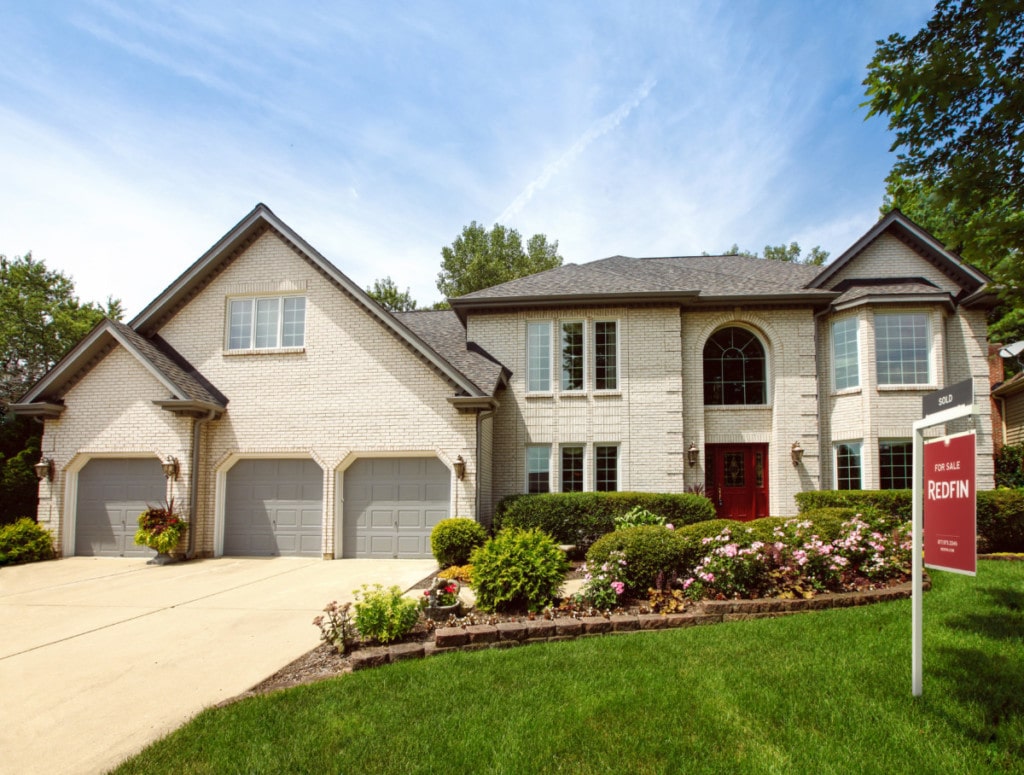
What Is a Home Appraisal?
A home appraisal is a professional evaluation of a property's current market value conducted by a licensed or certified real estate appraiser. When a buyer uses a mortgage to purchase a home, the lender will typically order an appraisal to determine whether the property provides sufficient collateral for the loan.
An appraisal may also be requested when a homeowner is refinancing an existing mortgage or seeking certain types of home equity financing.
It's important to understand that an appraisal isn't the same as a home inspection. An inspection focuses primarily on the property's condition and identifies potential defects or maintenance concerns. An appraisal, on the other hand, is designed to estimate the home's market value.
To arrive at that value, the appraiser considers factors such as the property's size, condition, location, features, improvements, and recent sales of comparable homes.
What Happens During the Home Appraisal Process?
A typical appraisal involves an on-site property visit followed by research, analysis, and preparation of a written report. The exact steps can vary depending on the property and type of appraisal, but here's what buyers and sellers can generally expect.
The Appraiser Inspects the Property
The process usually begins with a visit to the home. During the appointment, the appraiser examines both the interior and exterior, takes measurements and photographs, and records details that could influence the property's value.
The length of the visit depends on several factors, including the home's size, condition, layout, and overall complexity. A large or unusual property may take longer to evaluate than a smaller, more conventional home.
The Home's Condition and Features Are Evaluated
The appraiser examines the property's overall condition and characteristics. This may include the number of bedrooms and bathrooms, finished living space, garage, foundation, roof, heating and cooling systems, and other permanent components.
Visible signs of damage, deterioration, or deferred maintenance may also be documented if they could affect the property's value or marketability.
The exterior receives attention, too. The appraiser may consider the lot, driveway, landscaping, garage, exterior materials, deck, patio, porch, pool, and other permanent improvements.
The surrounding neighborhood and location are also part of the evaluation.
Keep in mind that an appraiser isn't judging the home's style or whether the décor is attractive. Instead, the focus is on gathering objective information that helps determine how the property compares with others in the local market.
Recent Comparable Sales Are Reviewed
One of the most important parts of an appraisal is researching recent comparable sales, commonly known as "comps."
These are recently sold properties that share important characteristics with the home being appraised. An appraiser may compare factors such as:
- Location
- Square footage
- Lot size
- Age
- Condition
- Number of bedrooms and bathrooms
- Layout
- Property features
- Recent improvements
Because every property is different, the appraiser considers the similarities and differences between the subject property and each comparable sale.
Recent sales can be particularly valuable because they show what buyers have actually paid for similar homes in the current market.
Market Conditions Are Taken Into Account
The appraiser combines information gathered from the property with research on local housing market conditions and comparable sales.
Rather than relying on a single feature, the appraiser considers the property as a whole. Location, condition, size, upgrades, amenities, and recent market activity all contribute to the final valuation.
This is why the amount a seller spent on renovations—or what a homeowner believes the property is worth—doesn't automatically translate into the same appraised value. The valuation must be supported by market evidence.
The Appraisal Report Is Prepared
Once the property inspection and market research are complete, the appraiser prepares a formal appraisal report.
The report explains the property being evaluated, summarizes relevant market information, presents comparable sales, and provides the appraiser's final opinion of value.
When the appraisal is part of a mortgage transaction, the completed report is generally sent to the lender for review.
Do Appraisals Vary by Loan Type?
The basic appraisal process is similar across many real estate transactions, but certain loan programs have additional property standards that may affect the evaluation.
FHA Home Appraisals
FHA loans have specific property requirements related to safety, habitability, and structural soundness. As part of the appraisal, the appraiser may identify conditions that need to be corrected before the loan can move forward.
Potential concerns could include deteriorating paint, roof or foundation problems, water intrusion, exposed electrical components, or other visible conditions that may create health or safety risks.
Requirements can vary based on the property and applicable FHA guidelines. If an issue is identified, the buyer should work with their lender to understand what steps are required.
VA Home Appraisals
VA home loans also have minimum property requirements intended to ensure that a home is safe, sanitary, and structurally sound.
Depending on the property, these requirements may address items such as heating, utilities, the roof, foundation, and other health and safety concerns.
If the appraisal identifies a potential issue, the lender can explain whether repairs or additional steps are necessary before the transaction can proceed.
What Happens After the Appraisal?
Once the appraisal report is finished, the lender reviews the appraised value as part of the mortgage underwriting process.
If the appraised value is equal to or higher than the agreed-upon purchase price, the transaction can generally continue toward closing, provided the buyer satisfies the lender's other requirements.
The situation can become more complicated when the appraisal comes in below the purchase price.
A low appraisal can create a gap between the amount the lender is willing to finance and the price the buyer agreed to pay. Depending on the circumstances, the buyer and seller may need to renegotiate the purchase price, explore other solutions, or determine whether the buyer is willing and able to cover the difference.
What Does a Home Appraisal Report Include?
An appraisal report provides supporting information behind the appraiser's opinion of value. While the exact format can vary, a typical report may include:
- Property and site details: Information about the home, lot, and physical characteristics
- Neighborhood overview: Details about the surrounding area and local market
- Property improvements: Major features, upgrades, and permanent improvements
- Comparable sales: Recently sold properties used to help establish market value
- Final opinion of value: The appraiser's concluded market value for the property
Understanding the Home Appraisal Process
A home appraisal is much more than a quick walk-through. It involves evaluating the property's characteristics and condition, researching comparable sales, reviewing market conditions, and bringing all of that information together to establish an independent opinion of value.
For buyers, understanding the appraisal process can make an important part of the mortgage process feel more manageable. For sellers, knowing what an appraiser evaluates can help you prepare the property and provide useful information about recent improvements or relevant features.
While you can't control every factor that influences an appraisal, being prepared and knowing what to expect can help make this step of the real estate transaction smoother—and give you greater confidence as you move toward closing.
If you'd like, I can also make this more SEO-focused, with stronger keyword placement for terms like “home appraisal process,” “what do appraisers look for,” “how home appraisals work,” and “home appraisal checklist.”