
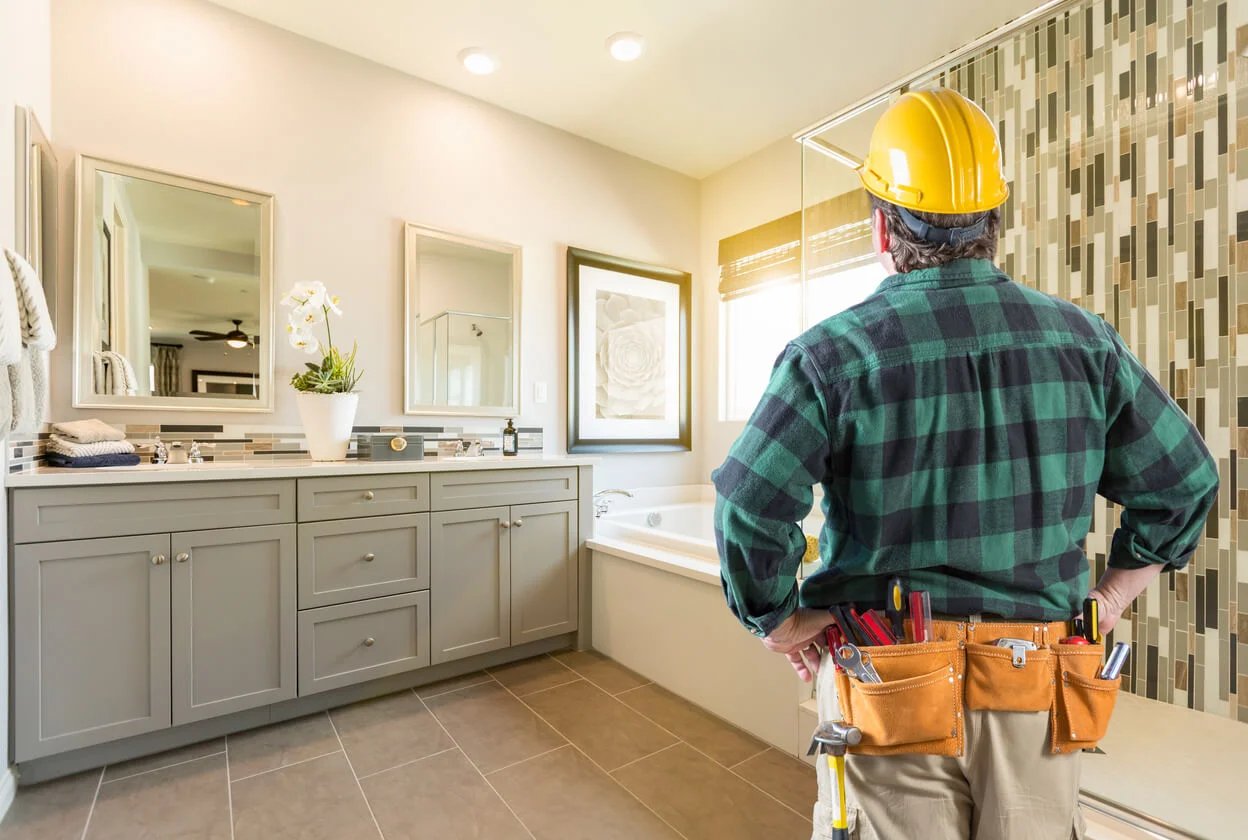
Taking on a home remodeling project yourself can be exciting. You may be able to save money, personalize your space, and enjoy the satisfaction of seeing your own work come together. But even seemingly simple projects can become expensive when mistakes, delays, or unexpected problems arise.
Before you pick up a hammer, take some time to understand the most common DIY remodeling mistakes—and what you can do to avoid them.
1. Skipping Building Codes and Permits
One of the easiest mistakes to make is assuming that a DIY project doesn't require permits or inspections. Depending on the project and your location, permits may be required for electrical, plumbing, structural, or other major changes.
Skipping this step can create problems when you eventually sell your home. You could face additional costs, delays, or the need to bring unfinished or unpermitted work up to code.
Before starting, contact your local building department to find out what permits and inspections your project requires. Even when a permit isn't necessary, following local building codes helps ensure the work is safe and properly completed.
2. Choosing Materials Based Only on Price
Saving money is often one of the biggest reasons homeowners choose to remodel themselves. However, choosing the cheapest materials isn't always the best way to stay within budget.
Low-quality materials may wear out faster, require more maintenance, or need to be replaced sooner than expected. Instead, compare your options and look for materials that offer a good balance of quality, durability, and price.
Spending a little more upfront can sometimes help you avoid bigger expenses later.
3. Underestimating How Long the Project Will Take
A remodeling project can look simple on paper but take much longer once the work begins.
Unexpected repairs, material delays, incorrect measurements, and tasks that take longer than expected can quickly push your timeline back. If you're working around a job, family responsibilities, or other commitments, the project can become even more difficult to manage.
Create a realistic timeline before you begin and give yourself extra time for unexpected problems. It is better to finish early than to rush through important work simply because you underestimated the schedule.
4. Taking on More Than You Can Handle
Not every remodeling project is a good DIY project.
Painting, replacing hardware, and some basic cosmetic updates may be manageable for many homeowners. More complicated work involving electrical systems, plumbing, structural changes, waterproofing, or load-bearing components can require specialized knowledge and experience.
If you find yourself unsure about how something works, constantly changing your approach, or relying on conflicting online tutorials, it may be time to call a professional.
Knowing when to ask for help isn't a failure. It can protect your home, your budget, and your safety.
5. Hiring Unlicensed Contractors
Sometimes a DIY project turns into a contractor project when the work becomes too complicated. When that happens, choosing someone simply because they offer the lowest price can create additional problems.
Unlicensed or inexperienced workers may leave projects unfinished or perform work that doesn't meet local requirements. Correcting poor workmanship can ultimately cost more than hiring a qualified professional from the beginning.
Before hiring a contractor, verify their license, experience, insurance, references, and previous work. Getting several estimates can also help you understand what a reasonable price looks like.
6. Starting Without a Detailed Plan
One of the biggest remodeling mistakes is beginning demolition before making important decisions.
Before construction starts, determine what materials you need, what finishes you want, and how each stage of the project will come together. This includes everything from flooring and tile to cabinets, fixtures, and hardware.
Material shortages or backorders can bring an entire project to a standstill. Having your selections and supplies organized ahead of time can help keep the work moving and reduce unnecessary expenses.
7. Poor Space Planning
A beautiful design can still create problems if the space isn't planned carefully.
For example, a cabinet may prevent a door from opening fully, a kitchen island may leave too little walking space, or a bathroom fixture may not have enough clearance.
Before construction begins, measure the space carefully and consider creating a scaled drawing or mock-up. Visualizing how everything will fit can help you catch problems before they become expensive to fix.
8. Expecting the Project to Look Like It Does on TV
Home renovation shows can make remodeling look quick, simple, and surprisingly predictable. Real-life projects are rarely that straightforward.
Behind the finished reveal are often hours of planning, skilled labor, unexpected repairs, material delays, and problem-solving that don't make it onto the screen.
Use renovation shows and online videos for inspiration, but don't assume your project will follow the same timeline or budget. Research the work involved and prepare for unexpected challenges.
9. Getting Measurements Wrong
A few inches can make a surprisingly big difference during a remodel.
Incorrect measurements can result in cabinets that don't fit, appliances that won't slide into place, windows that need to be reordered, or fixtures that don't line up correctly.
Measure carefully, double-check your numbers, and verify measurements before ordering expensive materials. When a project involves complicated installations, consulting a professional can help prevent costly errors.
10. Overlooking Bathroom Waterproofing
Bathroom remodeling requires more than choosing attractive tile and fixtures. Proper waterproofing is essential for protecting the areas behind and beneath those finishes.
Bathrooms constantly deal with moisture, and water can find its way into walls, floors, and substructures when waterproofing isn't done correctly. Over time, this can contribute to mold, rot, and expensive structural damage.
If you're remodeling a bathroom, understand the waterproofing system you're using and follow the manufacturer's installation requirements carefully. If you're unsure about the process, hiring an experienced professional may be the safest option.
Make Your DIY Remodel a Success
A successful DIY remodel isn't just about having the right tools. It starts with knowing what you're capable of, understanding the work involved, and preparing for the unexpected.
Before you begin, make sure you:
- Check local building codes and permit requirements.
- Set a realistic budget and timeline.
- Choose durable materials rather than simply the cheapest options.
- Measure your space carefully.
- Plan your materials and finishes before construction begins.
- Know which tasks require professional expertise.
- Allow room in your budget for unexpected repairs.
- Prioritize safety throughout the project.
With thoughtful planning and realistic expectations, you can avoid many of the common pitfalls that turn an exciting home improvement project into a costly headache. And when a project goes beyond your experience, bringing in a qualified professional can be one of the smartest decisions you make.