
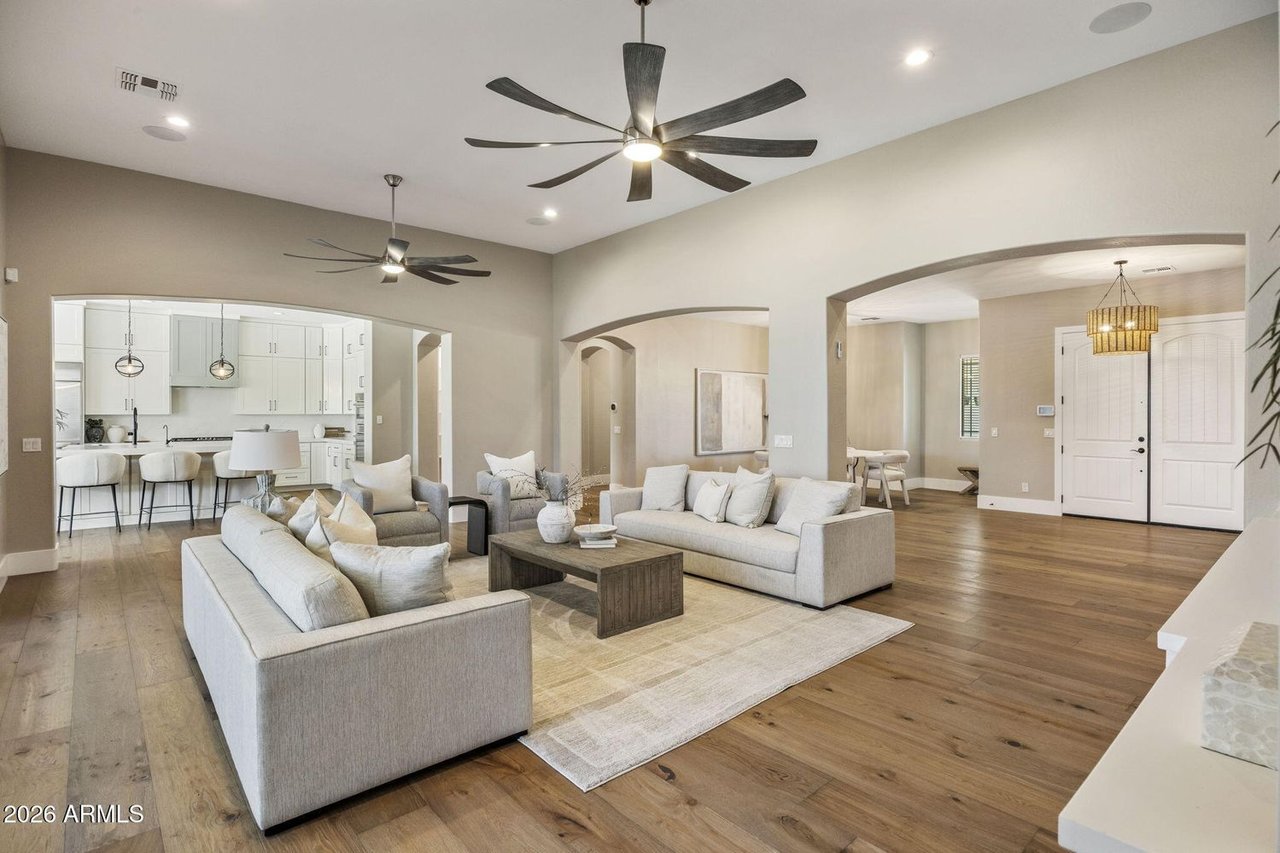
28 Interior Design Ideas for a Home That Feels Polished, Comfortable, and Ready for Anything
A beautiful home doesn’t have to feel overly decorated or carefully staged. The most inviting spaces often have something in common: everything feels like it belongs. The furniture fits the room, the lighting creates the right atmosphere, and each space flows naturally into the next.
Whether you’re refreshing your current home, preparing to put it on the market, or simply want your space to feel more pulled together, thoughtful design choices can make a noticeable difference. You don’t need a major renovation, either. Sometimes, a better layout, updated lighting, or a few well-chosen details are all it takes.
From selling a home in Mableton, GA, to giving a property in Oak Lawn, IL, a fresh new feel, these interior design ideas can help create a home that feels comfortable, cohesive, and effortlessly stylish.
1. Make Function the Foundation of Your Design
Before choosing paint colors, furniture, or decorative pieces, think about how the space needs to work. A beautiful room can quickly become frustrating if the layout makes everyday activities difficult.
Good design starts with understanding how you move through your home and how you actually use each room.
“Start with how you actually live in a space before thinking about finishes,” recommends Daniel Joseph Chenin, FAIA, of Daniel Joseph Chenin, Ltd., an integrated architecture and interior design practice. “Good design supports movement, sightlines, and daily routines first, then layers in material and decor. When flow and function are resolved early, the home feels intuitive rather than forced.”
Try these strategies:
1. Keep pathways clear: Position furniture so there’s an easy, comfortable route through each room.
2. Match furniture to the room: Select pieces that are appropriately sized for the space rather than choosing furniture based solely on appearance.
3. Pay attention to what you see: Consider views from doorways and adjacent rooms. A well-planned sightline can make a home feel more open.
4. Design around your routines: Think about where you work, cook, relax, entertain, and gather, then arrange each area accordingly.
2. Use Lighting to Shape the Mood
Lighting can completely change the character of a room. A space with beautiful furniture can still feel cold or flat if it relies on a single overhead fixture.
Instead, combine several types of lighting to add warmth, functionality, and dimension. This approach can also help highlight architectural details and make a home more appealing when it’s being shown to prospective buyers.
Here are a few ways to brighten your interiors:
5. Establish overall illumination: Use ceiling fixtures or other general lighting to provide a comfortable base level of light.
6. Add focused illumination: Incorporate desk lamps, reading lights, pendant fixtures, or under-cabinet lighting where specific tasks take place.
7. Highlight standout features: Use sconces, picture lights, or directional fixtures to draw attention to artwork, built-ins, architectural details, or other focal points.
8. Make the most of daylight: Keep windows unobstructed when possible and use window treatments that allow natural light to enter.
9. Install dimmers: Adjustable lighting makes it easier to shift a room from bright and functional during the day to soft and relaxing in the evening.
3. Refresh Your Rooms Without a Major Renovation
You don’t always need to remodel a kitchen or tear out a bathroom to make your home feel new. Small, strategic updates can have an outsized effect on the overall appearance of a space.
Paint, hardware, textiles, and organization can quickly change the look and feel of a room while keeping costs and disruption manageable.
As Lexi Westergard, Owner and Principal Designer at Lexi Westergard Design, explains, “One of my favorite ways to upgrade a home is a fresh coat of paint. Even just changing the walls from a yellow-toned white to a creamy white will completely change the feel of your home.”
Consider these easy upgrades:
10. Refresh the walls: Light, versatile shades can make rooms feel brighter, cleaner, and more current.
11. Replace dated hardware: New cabinet pulls, door handles, faucets, or light fixtures can provide an instant facelift.
12. Simplify the surroundings: Remove unnecessary items from countertops, shelves, and other surfaces to create a sense of space.
13. Bring in new textiles: Rugs, curtains, cushions, and throws can add softness, dimension, and personality without extensive work.
14. Rearrange what you already own: Moving furniture or changing the placement of artwork can give a familiar room an entirely different perspective.
4. Create a Natural Connection Between Rooms
Think beyond individual rooms. A home feels more sophisticated when its spaces relate to one another rather than looking like separate design projects.
Consistent colors, materials, proportions, and lighting can create a visual rhythm that makes moving from one room to another feel seamless.
“Think of a home as a sequence of experiences, not just individual rooms,” says Chenin. “Pay attention to how light, circulation, and scale connect spaces so they feel cohesive. When transitions are intentional, even simple interiors feel elevated.”
Build that sense of continuity with these ideas:
15. Maintain visual balance: Choose furniture and furnishings that work with the proportions of each room.
16. Repeat key design elements: Similar flooring, trim, finishes, or complementary colors can tie adjoining spaces together.
17. Give transitional areas purpose: Hallways, entryways, and open passages should feel like intentional parts of the home rather than leftover space.
18. Connect light and texture: Repeating certain textures and maintaining a consistent lighting approach can help neighboring rooms feel unified.
5. Favor Timeless Style Over Passing Trends
Design trends can be fun, but they can also have a short shelf life. If you want your home to remain appealing for years—or make it attractive to a broad pool of buyers—start with classic foundations and introduce personality through details that are easy to change.
A timeless interior doesn’t have to be boring. It simply gives you more flexibility.
Keep these principles in mind:
19. Choose lasting materials: Whenever possible, select finishes that can withstand everyday use and still look good over time.
20. Build around versatile colors: Neutral walls and larger furnishings provide a flexible foundation for artwork, accessories, and seasonal accents.
21. Make comfort a priority: Your home should reflect the way you live rather than simply imitate the latest design trend.
22. Create multipurpose rooms: A guest room that can also function as an office, gym, or hobby space can make a home more adaptable.
23. Be selective with statement pieces: Bold design can add personality, but too many highly specific choices may quickly feel dated or limit buyer appeal.
6. Let Your Lifestyle and Location Influence the Design
There’s no universal formula for creating a beautiful home. The best design responds to the people who live there and the environment surrounding the property.
A desert home, coastal retreat, urban condo, and suburban family house may all benefit from very different design approaches.
Pam Harrington, owner and broker at Pam Harrington Exclusives, illustrates this idea through coastal design: “For coastal living, let the natural surroundings guide your design—embrace soft earthy tones, organic textures, and expansive windows that frame the marsh, maritime forest, or ocean views.”
Use your home’s surroundings and your daily habits as design inspiration:
24. Reflect the way you live: Set up rooms according to how your household spends its time, whether that means entertaining, working remotely, relaxing, or spending time together.
25. Select finishes suited to the environment: Climate and local conditions can influence everything from flooring to countertops. Durable, moisture-resistant materials can be particularly useful in humid areas.
26. Connect indoor and outdoor spaces: Large windows, patios, porches, sliding doors, and comfortable outdoor seating can make the transition between inside and outside feel natural.
27. Draw inspiration from the surroundings: Local landscapes, natural materials, and regional colors can give an interior a stronger sense of place.
28. Leave room for change: Choose layouts and furnishings that can evolve as your needs change.
Interior Design Ideas That Make a Home Feel Effortless
The secret to an effortless-looking home isn’t having the latest furniture or following every design trend. It’s creating a space where function, comfort, and style work together.
Start with the way you use your home. Improve the flow, layer your lighting, simplify clutter, and introduce details that create continuity from room to room. Choose durable, versatile elements that can stand the test of time, and let your lifestyle and surroundings influence the final look.
Whether you’re making your home more comfortable for everyday living or preparing it to appeal to prospective buyers, intentional design can go a long way. With the right choices, your home can feel polished without feeling staged—and stylish without trying too hard.