
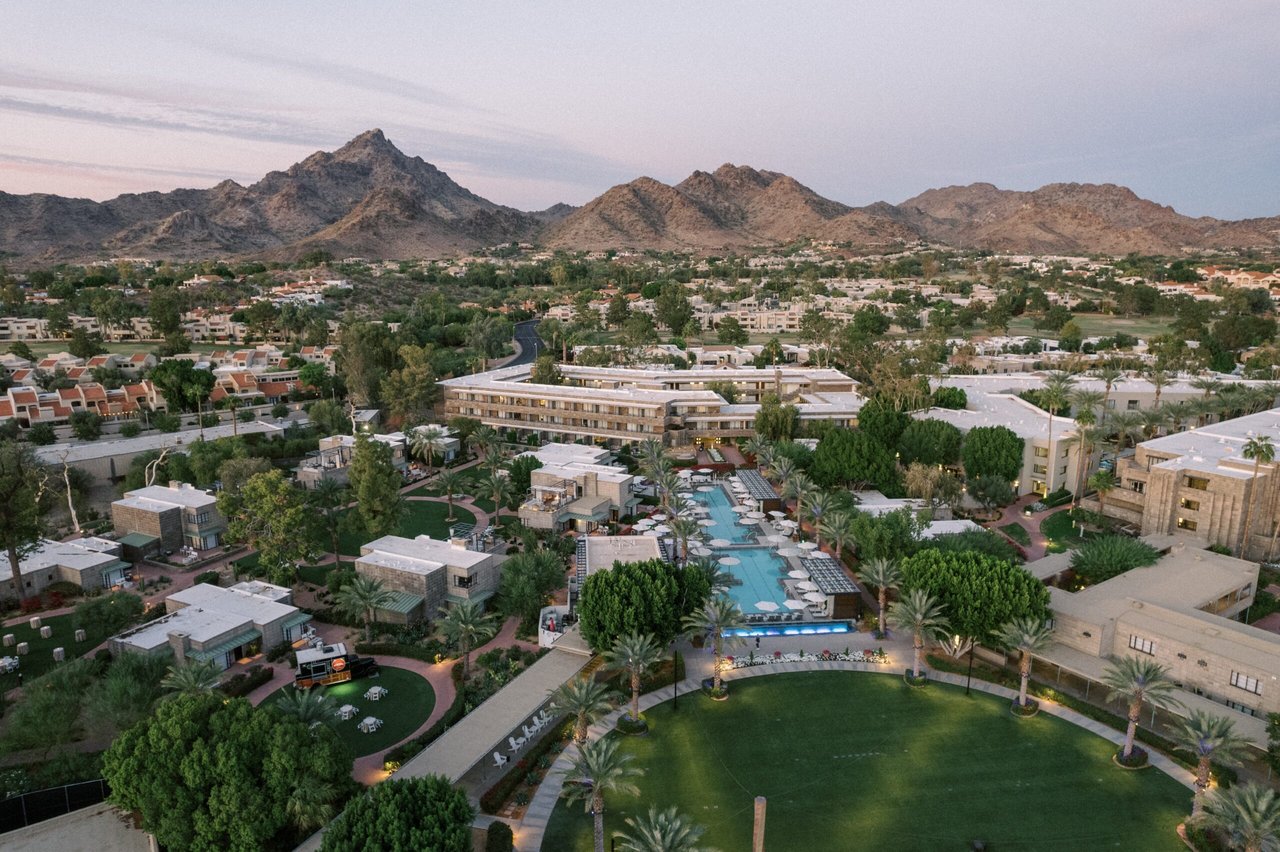
Walk down almost any street in America, and you're walking through a museum. That gabled Colonial in Charlotte. The whimsical Victorian in DC with its turret catching the afternoon light. The low-slung ranch house that feels distinctly, unmistakably Phoenix. Every one of these homes is a time capsule — a physical record of what we valued, what we could afford, and how we wanted to live at that exact moment in history.
Let's walk through it, era by era.
1. Colonial (1600s)
It all starts here. Symmetry is the whole story with Colonial homes — a centered front door, evenly spaced windows on either side, dormers and columns that feel deliberate and balanced. That order wasn't just aesthetic. These homes were built for self-sufficiency and togetherness, with central hearths that anchored both heating and daily life. You'll still find beautiful examples in Boston, Philadelphia, Annapolis, and Williamsburg.
2. Neoclassicism (1780–1860)
Borrowing heavily from Greek and Roman ideals, Neoclassical homes brought grandeur to American streets — soaring windows, rectangular proportions, and a sense of intellectual aspiration baked right into the architecture. This was a style for people who wanted their homes to say something about culture, knowledge, and status. Look for it today in Washington, DC, Charleston, and Savannah.
3. Victorian (1870s–1900s)
Victorian isn't really one style — it's a whole evolution. As David Marshall of The David Marshall Team puts it, Victorian architecture moved through Italianate, Second Empire, and Queen Anne phases between roughly 1840 and 1900, and what tied them together wasn't a single look but a shared technology: balloon framing and machine-cut millwork suddenly made ornate details affordable for everyday homes, not just custom luxury builds. That's why an entire neighborhood — like Portland, Maine's West End, rebuilt after its 1866 fire — can read like a timeline of the style's evolution, block by block.
The result: turrets, wraparound porches, bay windows, and enough gingerbread trim to make a statement. Victorian homes weren't subtle, and they weren't meant to be — they were built to broadcast wealth and refinement. San Francisco, Galveston, and Denver are still full of them.
4. Craftsman (1905–1920s)
After decades of Victorian excess, America wanted to breathe. Enter the Craftsman home — low-pitched roofs, deep front porches, and an emphasis on natural materials and honest craftsmanship. As Elizabeth Wenning of Azori explains, the style emerged in the late 19th century as a reaction to Victorian excess, and it found its truest expression in the Pacific Northwest, where natural materials and skilled craftsmanship fit naturally with the region's character. More than a century later, that philosophy — a home built simply, functionally, and with dignity by skilled hands — still shapes what people look for today. You'll see the legacy strongest in Seattle, Portland, and across California.
5. Gilded Age (1880s–1930s)
If Craftsman was restraint, Gilded Age mansions were the opposite — palatial estates dripping with ornamentation, built to impress at any cost. The Great Depression put an abrupt end to the era of excess, but the surviving mansions in Pittsburgh, New York, and the Berkshires still stand as monuments to a very particular Gilded Age fantasy.
6. Bungalow (1900s–1930s)
Bungalows offered something radical for their time: an accessible, affordable home that didn't sacrifice charm. Single-story, low-pitched, with generous porches, these homes made comfortable living available to a much broader swath of Americans. Minneapolis, Milwaukee, and Austin remain bungalow strongholds today.
7. Minimal Traditional (1930s–1950s)
Born out of Depression-era necessity, these simple, boxy homes with clean lines prioritized function over flourish. There's a quiet dignity in their practicality — a reminder that good design doesn't require excess. You'll find clusters in Los Angeles, Kansas City, and Houston.
8. Cape Cod (1930s–1950s)
Technically dating back to the 1600s but wildly popular again in the 1930s, Cape Cods brought steep rooflines, central chimneys, and dormer windows to suburbs across the country. Practical, cozy, and built for New England winters, they became — and remain — a beloved American archetype, especially across Long Island, Cape Cod itself, and Charleston.
9. Ranch Homes (1950s–1960s)
The ranch house is the sound of postwar optimism. Low rooflines, open floor plans, attached garages — everything about it signaled a relaxed, spacious, thoroughly modern way of living. Suburban expansion and the highway boom made ranch homes the default for a generation, and they still define huge swaths of Phoenix, Dallas, and Las Vegas.
10. Modernist (early 1900s)
Modernism threw out the rulebook. Clean lines, walls of glass, and a blurred line between indoors and outdoors reflected a genuinely forward-looking optimism about technology and society. Palm Springs, Miami, and Boulder remain some of the best places to see it today.
11. Townhomes (1960s–1970s)
Shared walls, private entrances, and a smart use of space — townhomes carved out a middle ground between apartment living and the detached single-family home. They're especially prevalent in dense cities like New York, Boston, and Chicago, where land comes at a premium.
12. Neo (1960s)
Part nostalgia, part innovation — Neo-style homes borrow historical detailing and reimagine it with modern materials and techniques. The result lets homeowners tap into old-world character without giving up contemporary comfort, popular in cities like Washington, DC, and San Francisco.
13. McMansion (1990s–2000s)
Bigger wasn't always better, but for a while, it sure looked that way. McMansions piled together architectural styles with more enthusiasm than cohesion, chasing sheer scale over substance. As priorities shifted toward sustainability and more thoughtful design, the trend cooled — though you'll still spot plenty in Atlanta, Phoenix, and the DC suburbs.
14. Tiny House (early 2000s)
The pendulum swing away from McMansion excess. Tiny houses champion minimalism, affordability, and a lighter environmental footprint — often incorporating solar panels and rainwater systems. Portland, Austin, and Asheville have become hubs for the movement.
15. Mountain Modern (late 2000s)
A distinctly Western evolution, blending rustic materials with sleek, contemporary lines. Josh Wilhite of Copperline Homes describes the shift well: over the last two decades, Mountain West home design has moved away from heavy log-and-lodge construction toward cleaner rooflines, expansive glass, and a more restrained mix of wood, steel, and stone. It's a style built around views, daylight, and indoor-outdoor living — less about ornament, more about how a home actually feels to live in day to day. Look for it in Bend, Jackson Hole, and Park City.
16. Smart Homes (late 2000s–today)
The newest chapter isn't about facades at all — it's about what's humming quietly behind the walls. Automation, energy efficiency, and integrated security have become as central to modern home design as any architectural style. Silicon Valley, Austin, and Denver lead the way.