
Understanding Mortgages: What Every Homebuyer Should Know
Buying a home is one of the biggest financial decisions you’ll ever make — and for most people, that means getting a mortgage. While the word “mortgage” can sound intimidating, understanding how it works can make the homebuying process much smoother and far less stressful.
Let’s break it down.
What Is a Mortgage?
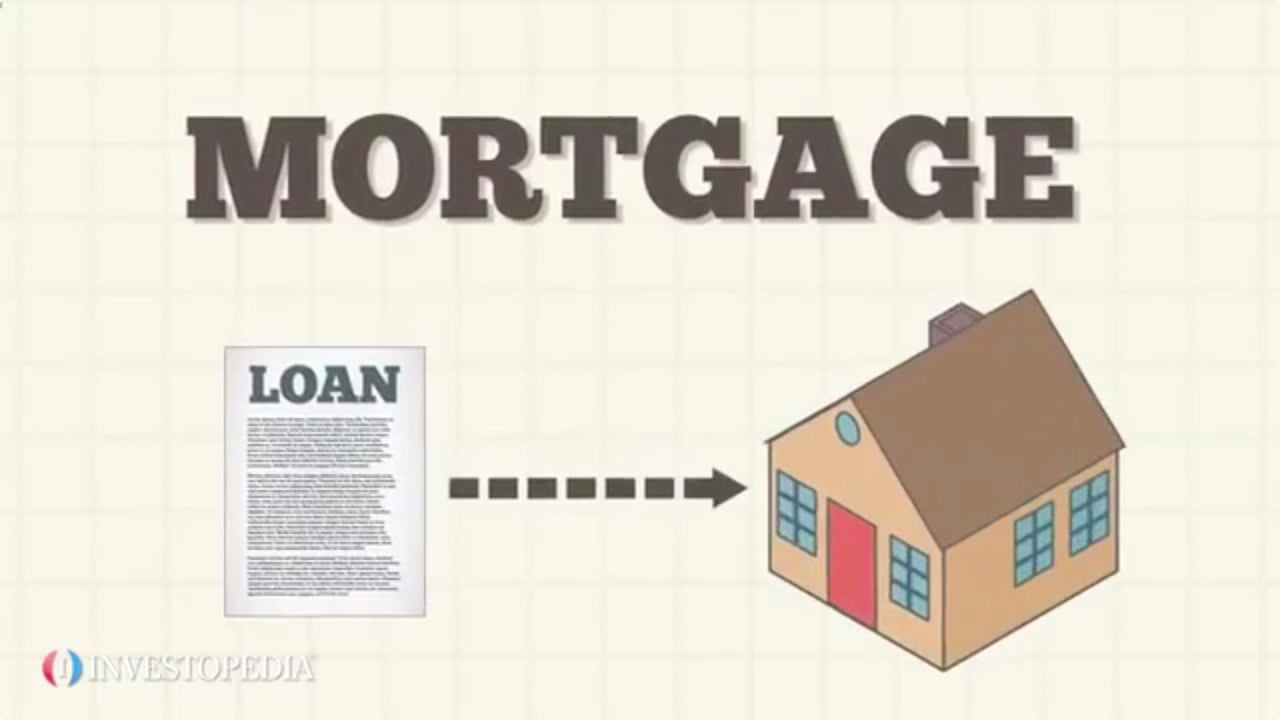
A mortgage is a loan used to purchase or refinance real estate. Instead of paying the full price of a home upfront, a lender provides the funds, and you agree to repay the loan over time — typically in monthly installments.
The home itself acts as collateral. This means if the loan isn’t repaid according to the agreement, the lender has the legal right to take ownership of the property.
The Key Components of a Mortgage
Understanding the structure of a mortgage helps you make informed decisions. Here are the main parts:
1. Principal
The amount of money you borrow to purchase the home.
2. Interest
The cost of borrowing the money, expressed as a percentage rate. Your interest rate significantly impacts your monthly payment and the total amount you’ll pay over the life of the loan.
3. Loan Term
The length of time you have to repay the loan. Common terms are 15, 20, or 30 years. Shorter terms typically mean higher monthly payments but less interest paid overall.
4. Taxes and Insurance
Many mortgage payments include property taxes and homeowners insurance, which are often held in an escrow account and paid by the lender on your behalf.
Types of Mortgages
Not all mortgages are the same. Some of the most common types include:
-
Fixed-Rate Mortgage: The interest rate stays the same for the entire loan term. This offers predictable monthly payments.
-
Adjustable-Rate Mortgage (ARM): The interest rate can change periodically based on market conditions.
-
FHA Loans: Government-backed loans designed to help buyers with lower credit scores or smaller down payments.
-
VA Loans: Loans available to eligible veterans and active-duty service members.
-
Conventional Loans: Standard loans not insured or guaranteed by the government.
Choosing the right loan depends on your financial goals, timeline, and current market conditions.
How Your Mortgage Affects Your Financial Future
Your mortgage isn’t just a monthly payment — it’s a long-term financial commitment that can help you build wealth. As you make payments, you build equity in your home. Over time, that equity can become a powerful financial tool for refinancing, investing, or future purchases.
Additionally, locking in the right interest rate and loan structure can save you thousands of dollars over the life of the loan.
Tips for Mortgage Success
-
Get pre-approved before house hunting.
-
Compare lenders and loan options.
-
Understand your full monthly payment — not just the principal and interest.
-
Avoid major financial changes before closing (like opening new credit accounts).
-
Work with experienced professionals who can guide you through the process.
Final Thoughts
A mortgage makes homeownership possible for millions of people. While it may seem complex at first, understanding how it works empowers you to make confident, informed decisions.
Whether you’re buying your first home, upgrading, or refinancing, knowing the basics of your mortgage is the foundation of a smart real estate strategy.